Platform comparison
| Platform | YES odds | NO odds | Fee | KYC | Settlement | |
|---|---|---|---|---|---|---|
Polymarket (via PolyGram) Pick polygram.ink (preferred broker) |
96% | 4% | 0% (USDC on-chain) | No-KYC up to $1,500 | USDC, auto via UMA oracle | View on Polymarket → |
Polymarket (direct) polymarket.com |
96% | 4% | 0% | Geo-blocked in US/UK/EU | USDC, on-chain | View on Polymarket → |
Kalshi kalshi.com |
— | — | Up to 7% per trade | US-only, KYC required | USD | View on Polymarket → |
Betfair Exchange betfair.com |
— | — | 2-5% commission | Full KYC from first trade | GBP / EUR | View on Polymarket → |
Manifold Markets manifold.markets |
— | — | Play-money (mana) | None — play-money | Mana (no cash-out) | View on Polymarket → |
Outcome probabilities
Current market-implied probability for each outcome, from the live order book.
| Outcome | Probability |
|---|---|
| 0 | 96% |
| 1 | 3% |
| 4 | 1% |
| 2 | 0% |
| 3 | 0% |
| 5 | 0% |
| >5 | 0% |
Market context
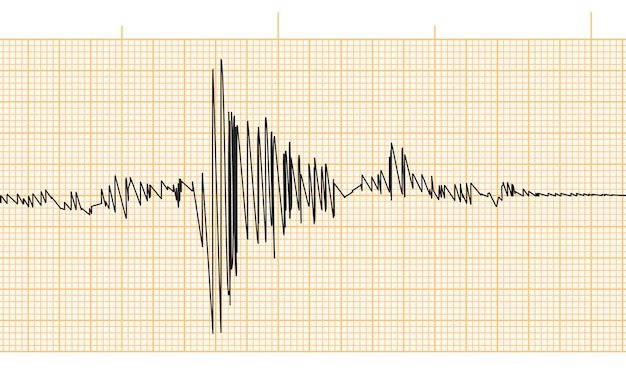
A magnitude 6.5-plus quake is a relatively rare event in any one-week window, but this contract’s **96% YES** price implies the market is close to treating the threshold as already met or effectively locked in by the USGS count. That is notable because the USGS’s 2026 M6+ catalogue and significant-earthquakes pages show multiple large events this year, including a 6.9 off Japan in June, while independent year-long lists also record a 7.5 event in Venezuela and a 7.8 Mindanao shock with major aftershock activity.[1][8][4][12] On a cross-platform read, prediction-market pricing appears much firmer than a simple sportsbook-style view would usually allow for a binary seismology contract unless there is a confirmed qualifying event in the window; analyst consensus should therefore be checked against the official USGS query rather than headline reports alone.[9][1]
For historical framing, weeks with a major rupture elsewhere on the globe can still produce a 6.5-or-above count, because a single earthquake above the line resolves the market. The 2026 record shows that large shocks have occurred in different tectonic settings, from offshore Japan to the Philippines and Venezuela, and the Mindanao sequence is a reminder that aftershock cascades can add further qualifying events even after the main rupture has passed.[8][12][4] Recent activity reports also show that daily global seismicity is common, but 6.5+ events remain intermittent rather than routine, which is why a near-certain price should be read as a statement about the specific market window, not about earthquake activity in general.[6][11]
The key catalyst is the **USGS final catalogue update** for the August 3–9 UTC window, because this market resolves only on that source and there can be a lag between a substantial quake and its appearance in the official search results.[9] Traders should watch for late revisions to magnitude and timing, as these can move an event across the 6.5 cut-off or shift it inside or outside the settlement window.[9] Any fresh bulletin from the USGS Earthquake Hazards Program, and corroborating reports from regional agencies where a quake is first detected, matters more here than media summaries because the contract is threshold- and timestamp-sensitive.[1][9]
Methodology
This page is a comparison snapshot: one live quote, four reference venues with their key attributes, and a single execution path — every trade button routes to PolyGram, which mirrors the Polymarket order book directly.
Resolution & payout
Polymarket-based markets settle through the UMA Optimistic Oracle on Polygon. A proposer submits the outcome, a two-hour challenge window opens, and unchallenged proposals finalise the resolution. Payouts settle automatically in USDC the moment the result is final — no bookmaker, no delay.
Kalshi-based markets settle in USD via the CFTC-regulated clearinghouse. Betfair Exchange settles in GBP/EUR net of commission. Manifold is play-money and does not pay out real funds.
FAQ
- Is this market available outside the US?
- Polymarket itself is geo-blocked in the US/UK/EU. Always check the legal status of prediction markets in your jurisdiction before trading.
- What's the difference between YES and NO shares?
- A YES share pays $1.00 if the event happens, $0 otherwise. A NO share pays $1.00 if the event doesn't happen. The market price between 0¢ and 100¢ is the implied probability.
- What does Polymarket cost to trade?
- Polymarket itself charges 0% — the only cost is the Polygon network fee, typically under $0.01 per transaction. Off-chain venues like Kalshi or Betfair charge 2-7% commission.
- How fast are USDC deposits?
- Polygon credits deposits after 12 confirmations — usually under 30 seconds. Withdrawals follow the same path and land back in your wallet within minutes.
- How reliable are the quoted odds?
- The YES/NO percentages are the live mid-prices of the Polymarket order book. On deep markets they move every few seconds; on thinner ones you'll see short plateaus.
%22%2F%3E%3Cpath%20d%3D%22M%206%2066%20A%2026%2026%200%200%201%2058%2066%22%20fill%3D%22%23E6B98D%22%20opacity%3D%220.9%22%2F%3E%3Ccircle%20cx%3D%2232%22%20cy%3D%2226%22%20r%3D%2222%22%20fill%3D%22%23F5CBA7%22%2F%3E%3Cpolygon%20points%3D%2216%2C18%2020%2C4%2024%2C18%22%20fill%3D%22%2322d3ee%22%2F%3E%3Cpolygon%20points%3D%2224%2C18%2028%2C3%2032%2C18%22%20fill%3D%22%2322d3ee%22%2F%3E%3Cpolygon%20points%3D%2232%2C18%2036%2C3%2040%2C18%22%20fill%3D%22%2322d3ee%22%2F%3E%3Cpolygon%20points%3D%2240%2C18%2044%2C4%2048%2C18%22%20fill%3D%22%2322d3ee%22%2F%3E%3C%2Fsvg%3E) and
and%22%2F%3E%3Cpath%20d%3D%22M%206%2066%20A%2026%2026%200%200%201%2058%2066%22%20fill%3D%22%23E6B98D%22%20opacity%3D%220.9%22%2F%3E%3Ccircle%20cx%3D%2232%22%20cy%3D%2226%22%20r%3D%2222%22%20fill%3D%22%23F5CBA7%22%2F%3E%3Cpath%20d%3D%22M%2010%2018%20Q%2016%204%2026%2010%20Q%2020%202%2032%206%20Q%2044%202%2038%2010%20Q%2048%204%2054%2018%22%20stroke%3D%22%2322d3ee%22%20stroke-width%3D%224%22%20fill%3D%22none%22%20stroke-linecap%3D%22round%22%2F%3E%3C%2Fsvg%3E)
Trade How many 6.5 or above earthquakes August 3 - August 9? on PolyGram
Live order book, 0% fees, USDC settlement in seconds.
Open live market →