Platform comparison
| Platform | YES odds | NO odds | Fee | KYC | Settlement | |
|---|---|---|---|---|---|---|
Polymarket (via PolyGram) Pick polygram.ink (preferred broker) |
0% | 100% | 0% (USDC on-chain) | No-KYC up to $1,500 | USDC, auto via UMA oracle | View on Polymarket → |
Polymarket (direct) polymarket.com |
0% | 100% | 0% | Geo-blocked in US/UK/EU | USDC, on-chain | View on Polymarket → |
Kalshi kalshi.com |
— | — | Up to 7% per trade | US-only, KYC required | USD | View on Polymarket → |
Betfair Exchange betfair.com |
— | — | 2-5% commission | Full KYC from first trade | GBP / EUR | View on Polymarket → |
Manifold Markets manifold.markets |
— | — | Play-money (mana) | None — play-money | Mana (no cash-out) | View on Polymarket → |
Outcome probabilities
Current market-implied probability for each outcome, from the live order book.
| Outcome | Probability |
|---|---|
| August 31 | 0% |
| August 15 | 0% |
Market context
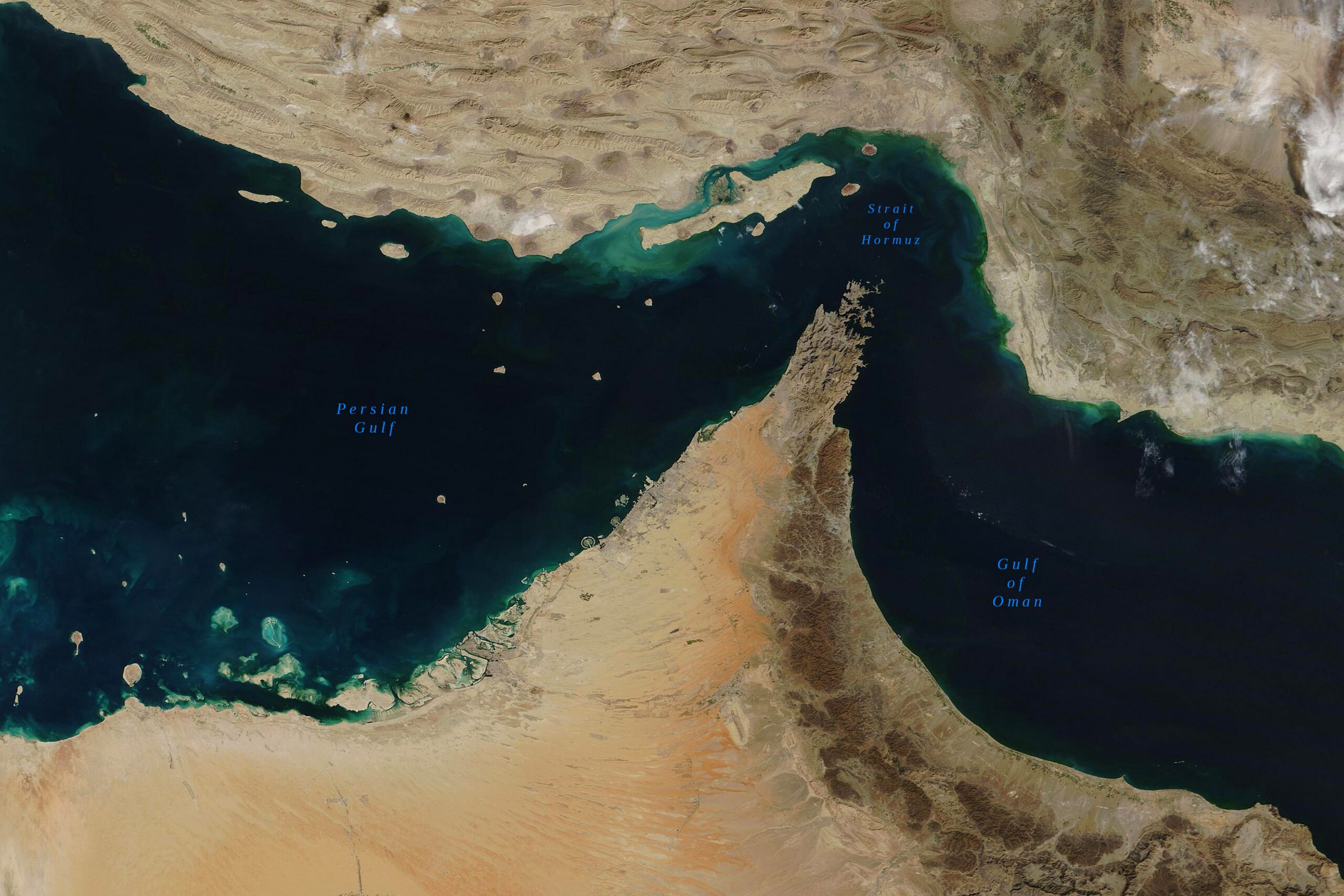
The key question is whether normal commercial transits through the Strait of Hormuz can recover to a 7-day average of at least 60 ship calls before the end of August 2026. On the market’s own rule, that means the relevant test is IMF Portwatch’s published “Arrivals of Ships” series, not broader rhetoric about the strait being “open”; the crowd is pricing only a 5% chance of a YES, which implies a very low expectation of a sustained rebound. Reuters and other shipping reports have repeatedly described traffic as far below pre-war levels, with daily transits at times in the single digits rather than around 60, which explains why the market remains heavily skewed to NO.[2][9][11][13]
Historically, the better analogue is not a clean reopening but a stop-start recovery after major security shocks. Reuters reported just seven ships in 24 hours in early April versus roughly 140 normally, while CNBC and the New York Times both said traffic would take weeks or months to normalise even after a deal to restore passage.[2][4][12] Later commentary from CFR and CNBC stressed that trapped vessels, mine clearance, and the willingness of shipowners to re-enter the lane all matter as much as any formal announcement, and that pre-conflict levels may prove hard to restore quickly.[10][14] That backdrop supports the current low-implied probability more than any one-off uptick in sailings.
For traders, the main catalysts are any renewed U.S.-Iran de-escalation, maritime security advisories, and evidence that carriers are resuming regular schedules rather than making isolated transits. Reuters reported another drop in traffic on 17 July after fresh strikes and vessel attacks, with only three commodity vessels crossing that day, showing how quickly the route can relapse.[11] The cross-platform gap is also important: a 5% prediction-market price is already far below what would normally be implied by a clearly restored route, and there is no sign from the cited reporting of a sportsbook-style consensus expecting an imminent return to a 60-plus 7-day average.[1][11][13]
Methodology
This page reviews Strait of Hormuz traffic returns to normal by 2026? across five venues. The live probability is the Polymarket mid-price, sourced directly from the on-chain Polygon order book; the comparison columns benchmark each venue on fee structure, KYC, settlement currency and payment rails. Every CTA routes to PolyGram, which mirrors the Polymarket order book at 0% fees.
Resolution & payout
Settlement runs on-chain. Polymarket's contract logic separates YES and NO shares as conditional tokens; at resolution the winning share lifts to $1.00 and the losing one to $0. The outcome input comes from the UMA Optimistic Oracle, which secures against bad resolution with a bond + dispute window.
Once finalised, the smart contract pays USDC to the holders' wallets within minutes — no withdrawal fees beyond Polygon network gas. Kalshi settles in USD via CFTC clearance, Betfair in account currency net of commission, Manifold in play-money mana with no cash-out.
FAQ
- How does resolution work?
- Through the UMA Optimistic Oracle on Polygon: a proposer submits the outcome, a two-hour challenge window opens, and USDC payouts settle automatically once the result is final.
- What's the difference between YES and NO shares?
- A YES share pays $1.00 if the event happens, $0 otherwise. A NO share pays $1.00 if the event doesn't happen. The market price between 0¢ and 100¢ is the implied probability.
- What does Polymarket cost to trade?
- Polymarket itself charges 0% — the only cost is the Polygon network fee, typically under $0.01 per transaction. Off-chain venues like Kalshi or Betfair charge 2-7% commission.
- How fast are USDC deposits?
- Polygon credits deposits after 12 confirmations — usually under 30 seconds. Withdrawals follow the same path and land back in your wallet within minutes.
- Do I need to KYC for this market?
- On Polymarket directly, no — it's wallet-based. Intermediary brokers like PolyGram trigger KYC only above $1,500 of lifetime trading volume; under that you trade pseudonymously with a single wallet address.
%22%2F%3E%3Cpath%20d%3D%22M%206%2066%20A%2026%2026%200%200%201%2058%2066%22%20fill%3D%22%23E6B98D%22%20opacity%3D%220.9%22%2F%3E%3Ccircle%20cx%3D%2232%22%20cy%3D%2226%22%20r%3D%2222%22%20fill%3D%22%23F5CBA7%22%2F%3E%3Cpolygon%20points%3D%2216%2C18%2020%2C4%2024%2C18%22%20fill%3D%22%2322d3ee%22%2F%3E%3Cpolygon%20points%3D%2224%2C18%2028%2C3%2032%2C18%22%20fill%3D%22%2322d3ee%22%2F%3E%3Cpolygon%20points%3D%2232%2C18%2036%2C3%2040%2C18%22%20fill%3D%22%2322d3ee%22%2F%3E%3Cpolygon%20points%3D%2240%2C18%2044%2C4%2048%2C18%22%20fill%3D%22%2322d3ee%22%2F%3E%3C%2Fsvg%3E) and
and%22%2F%3E%3Cpath%20d%3D%22M%206%2066%20A%2026%2026%200%200%201%2058%2066%22%20fill%3D%22%23E6B98D%22%20opacity%3D%220.9%22%2F%3E%3Ccircle%20cx%3D%2232%22%20cy%3D%2226%22%20r%3D%2222%22%20fill%3D%22%23F5CBA7%22%2F%3E%3Cpath%20d%3D%22M%2010%2018%20Q%2016%204%2026%2010%20Q%2020%202%2032%206%20Q%2044%202%2038%2010%20Q%2048%204%2054%2018%22%20stroke%3D%22%2322d3ee%22%20stroke-width%3D%224%22%20fill%3D%22none%22%20stroke-linecap%3D%22round%22%2F%3E%3C%2Fsvg%3E)
Trade Strait of Hormuz traffic returns to normal by 2026? on PolyGram
Live order book, 0% fees, USDC settlement in seconds.
Open live market →