Platform comparison
| Platform | YES odds | NO odds | Fee | KYC | Settlement | |
|---|---|---|---|---|---|---|
Polymarket (via PolyGram) Pick polygram.ink (preferred broker) |
32% | 68% | 0% (USDC on-chain) | No-KYC up to $1,500 | USDC, auto via UMA oracle | View on Polymarket → |
Polymarket (direct) polymarket.com |
32% | 68% | 0% | Geo-blocked in US/UK/EU | USDC, on-chain | View on Polymarket → |
Kalshi kalshi.com |
— | — | Up to 7% per trade | US-only, KYC required | USD | View on Polymarket → |
Betfair Exchange betfair.com |
— | — | 2-5% commission | Full KYC from first trade | GBP / EUR | View on Polymarket → |
Manifold Markets manifold.markets |
— | — | Play-money (mana) | None — play-money | Mana (no cash-out) | View on Polymarket → |
Outcome probabilities
Current market-implied probability for each outcome, from the live order book.
| Outcome | Probability |
|---|---|
| December 31 | 32% |
| July 31 | 16% |
| June 30 | 1% |
Market context
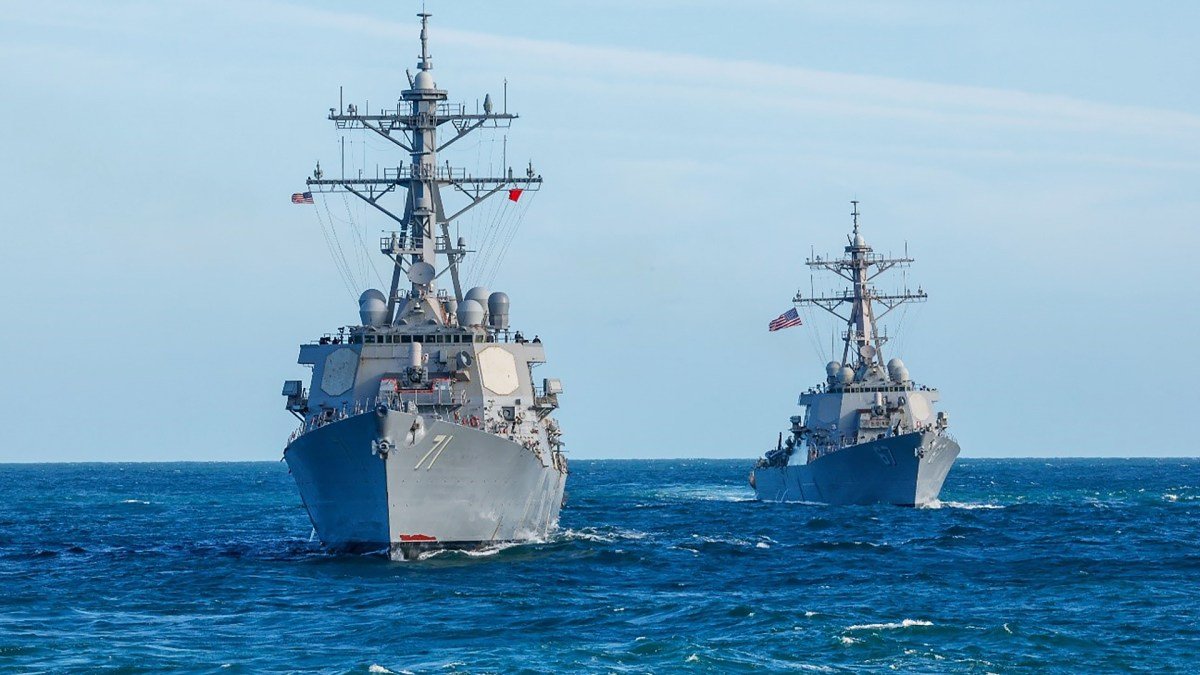
The United States has already imposed a naval blockade on Iran, effective from 10 a.m. ET on 13 April 2026, following the collapse of the Islamabad Talks and the escalation of the 2026 Iran war[1]. President Donald Trump authorised the measure, which initially targeted ships entering or departing Iranian ports and was enforced by CENTCOM under Admiral Brad Cooper[1][4]. Although CENTCOM announced the removal of the blockade on 18 June after a ceasefire agreement was reached, the military clarified that the blockade remained in force until the agreement was formally signed on 19 June[1]. This means the event described in the market has already occurred, yet the crowd-implied probability of 32% suggests lingering uncertainty about whether the announcement qualifies under the market’s specific terms or if the blockade is considered fully lifted[1].
Historically, naval blockades are lawful only during armed conflict and require declaration, effective maintenance, and impartiality toward neutral commerce under Hague Conventions and UN Charter Article 42[2]. The 2026 blockade mirrors earlier US naval pressure during the Iran–Iraq War, when the US escorted reflagged Kuwaiti tankers through the Persian Gulf to deter Iranian attacks[2]. Unlike peacetime “pacific blockades,” which are largely inconsistent with modern international law, this blockade was enacted amid active conflict, giving it a stronger legal basis[2]. However, the market’s 32% probability may reflect doubts about whether the April announcement meets the threshold of a “public and official” declaration as defined, or whether the June lifting invalidates the event retroactively[1][2].
Traders should monitor CENTCOM statements regarding the formal status of the blockade and any official confirmations that the agreement signed on 19 June fully terminated enforcement[1]. Recent reporting notes that 29 vessels were redirected and several VLCCs abandoned Iranian port calls, demonstrating early deterrence[4]. The key dependency is whether the US government issues a subsequent announcement clarifying that the blockade is permanently lifted or if it remains technically active pending further diplomatic steps[1]. With the settlement window ending in December 2026, any new official statement before that date could shift the probability significantly, especially if it redefines the scope or duration of the original April announcement[1][8].
Methodology
Methodologically we separate two layers: the live probability (Polymarket mid-price) and the platform attributes (fee, KYC, settlement currency, payment rails). That keeps the comparison honest — a single canonical probability across the row, with the venue-by-venue trade-offs spelt out in the columns next to it.
Resolution & payout
At resolution the UMA oracle takes over: a proposer posts the outcome with a bond, any token holder can dispute within two hours. Without dispute the result is accepted and the smart contract distributes USDC instantly.
On Kalshi (CFTC-regulated) resolution runs through their in-house clearing engine in USD. Betfair Exchange settles after match end in the account's local currency. Manifold pays no cash — only its in-platform "mana" currency.
FAQ
- Where can I trade this market with the lowest fees?
- Polymarket is geo-blocked in the US/UK/EU. The easiest 0%-fee broker into the same order book is PolyGram. Kalshi charges up to 7% per trade; Betfair Exchange takes 2-5% commission on net winnings.
- What's the difference between YES and NO shares?
- A YES share pays $1.00 if the event happens, $0 otherwise. A NO share pays $1.00 if the event doesn't happen. The market price between 0¢ and 100¢ is the implied probability.
- What does Polymarket cost to trade?
- Polymarket itself charges 0% — the only cost is the Polygon network fee, typically under $0.01 per transaction. Off-chain venues like Kalshi or Betfair charge 2-7% commission.
- How fast are USDC deposits?
- Polygon credits deposits after 12 confirmations — usually under 30 seconds. Withdrawals follow the same path and land back in your wallet within minutes.
- How reliable are the quoted odds?
- The YES/NO percentages are the live mid-prices of the Polymarket order book. On deep markets they move every few seconds; on thinner ones you'll see short plateaus.
%22%2F%3E%3Cpath%20d%3D%22M%206%2066%20A%2026%2026%200%200%201%2058%2066%22%20fill%3D%22%23E6B98D%22%20opacity%3D%220.9%22%2F%3E%3Ccircle%20cx%3D%2232%22%20cy%3D%2226%22%20r%3D%2222%22%20fill%3D%22%23F5CBA7%22%2F%3E%3Cpolygon%20points%3D%2216%2C18%2020%2C4%2024%2C18%22%20fill%3D%22%2322d3ee%22%2F%3E%3Cpolygon%20points%3D%2224%2C18%2028%2C3%2032%2C18%22%20fill%3D%22%2322d3ee%22%2F%3E%3Cpolygon%20points%3D%2232%2C18%2036%2C3%2040%2C18%22%20fill%3D%22%2322d3ee%22%2F%3E%3Cpolygon%20points%3D%2240%2C18%2044%2C4%2048%2C18%22%20fill%3D%22%2322d3ee%22%2F%3E%3C%2Fsvg%3E) and
and%22%2F%3E%3Cpath%20d%3D%22M%206%2066%20A%2026%2026%200%200%201%2058%2066%22%20fill%3D%22%23E6B98D%22%20opacity%3D%220.9%22%2F%3E%3Ccircle%20cx%3D%2232%22%20cy%3D%2226%22%20r%3D%2222%22%20fill%3D%22%23F5CBA7%22%2F%3E%3Cpath%20d%3D%22M%2010%2018%20Q%2016%204%2026%2010%20Q%2020%202%2032%206%20Q%2044%202%2038%2010%20Q%2048%204%2054%2018%22%20stroke%3D%22%2322d3ee%22%20stroke-width%3D%224%22%20fill%3D%22none%22%20stroke-linecap%3D%22round%22%2F%3E%3C%2Fsvg%3E)
Trade US announces blockade on Iran by 2026? on PolyGram
Live order book, 0% fees, USDC settlement in seconds.
Open live market →