Platform comparison
| Platform | YES odds | NO odds | Fee | KYC | Settlement | |
|---|---|---|---|---|---|---|
Polymarket (via PolyGram) Pick polygram.ink (preferred broker) |
9% | 91% | 0% (USDC on-chain) | No-KYC up to $1,500 | USDC, auto via UMA oracle | View on Polymarket → |
Polymarket (direct) polymarket.com |
9% | 91% | 0% | Geo-blocked in US/UK/EU | USDC, on-chain | View on Polymarket → |
Kalshi kalshi.com |
— | — | Up to 7% per trade | US-only, KYC required | USD | View on Polymarket → |
Betfair Exchange betfair.com |
— | — | 2-5% commission | Full KYC from first trade | GBP / EUR | View on Polymarket → |
Manifold Markets manifold.markets |
— | — | Play-money (mana) | None — play-money | Mana (no cash-out) | View on Polymarket → |
Market context
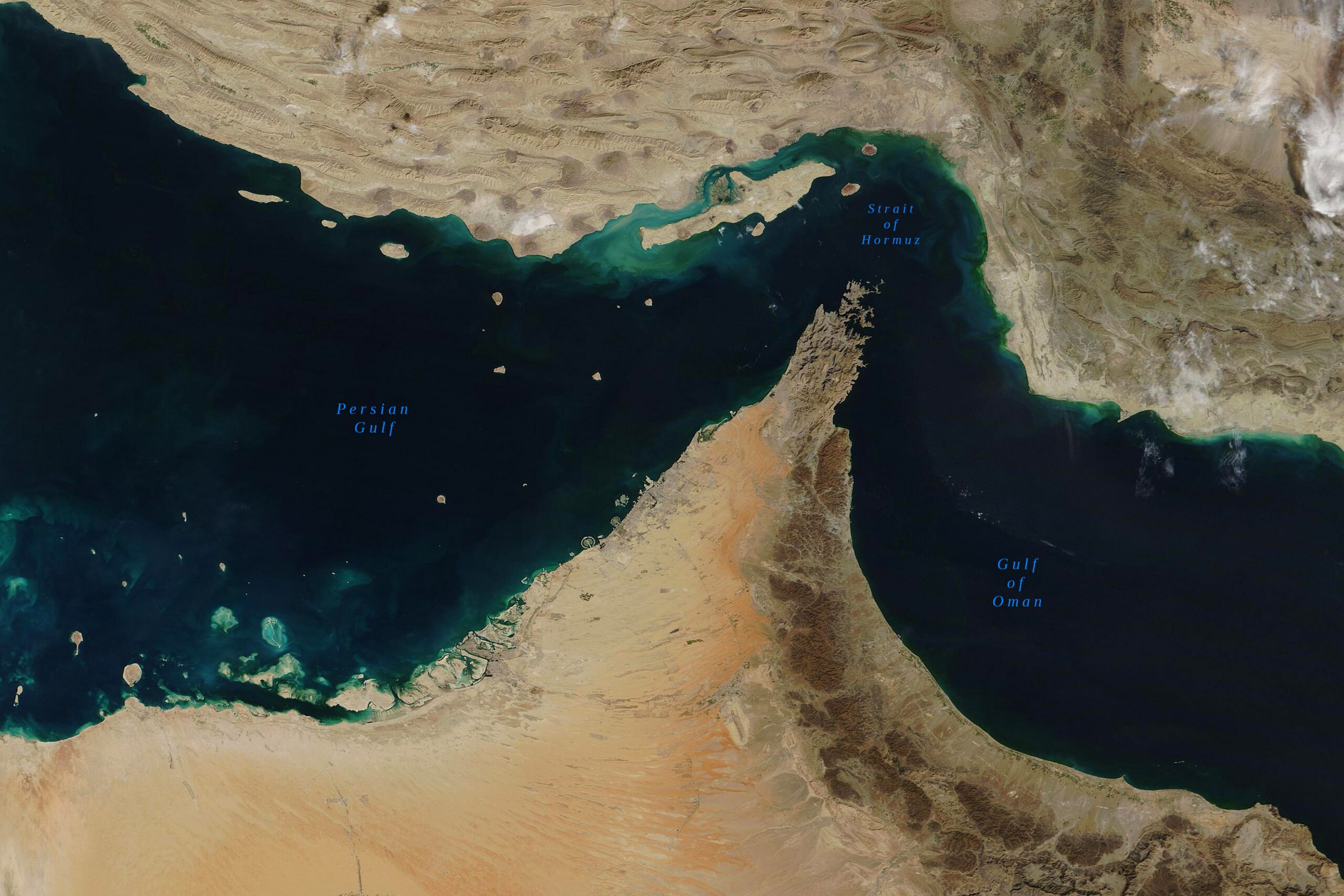
The Strait of Hormuz, through which roughly one-fifth of global oil passes daily, has experienced significant disruption since late 2024 owing to regional tensions and Houthi attacks on commercial shipping. The market asks whether daily transit calls will recover to a 7-day moving average of 60 or above by mid-September 2026—a threshold representing approximate pre-disruption normality. Current crowd pricing at 8% YES suggests traders view sustained recovery as unlikely within the settlement window, despite the 20-month timeframe.
Historical precedent offers limited comfort for the bullish case. The 2022 Russia-Ukraine war disrupted Black Sea grain corridors for months; the 2011 Libyan conflict reduced Mediterranean transit substantially; and the 2019 tanker attacks near Hormuz took roughly six months to stabilise shipping patterns once diplomatic channels reopened. Each instance required either military de-escalation, insurance-cost normalisation, or rerouting infrastructure to absorb traffic. Current regional actors show no clear off-ramp, and alternative routes (Suez, Cape of Good Hope) remain congested, suggesting any recovery would be gradual rather than sharp.
Traders should monitor three variables through 2026: announcements of US or international naval commitments to corridor protection; any ceasefire or diplomatic breakthrough in Yemen or broader Iran-linked tensions; and published IMF Portwatch data itself, which lags real-world conditions by several days. Reuters and Lloyd's List have reported sporadic upticks in transits during lulls in attacks, but these have not sustained above historical baselines. The 8% probability reflects a market view that geopolitical resolution within 20 months remains a low-probability event relative to continued disruption or slow, partial recovery.
Methodology
This page reviews Strait of Hormuz traffic returns to normal by September 15? across five venues. The live probability is the Polymarket mid-price, sourced directly from the on-chain Polygon order book; the comparison columns benchmark each venue on fee structure, KYC, settlement currency and payment rails. Every CTA routes to PolyGram, which mirrors the Polymarket order book at 0% fees.
Resolution & payout
Settlement runs on-chain. Polymarket's contract logic separates YES and NO shares as conditional tokens; at resolution the winning share lifts to $1.00 and the losing one to $0. The outcome input comes from the UMA Optimistic Oracle, which secures against bad resolution with a bond + dispute window.
Once finalised, the smart contract pays USDC to the holders' wallets within minutes — no withdrawal fees beyond Polygon network gas. Kalshi settles in USD via CFTC clearance, Betfair in account currency net of commission, Manifold in play-money mana with no cash-out.
FAQ
- Where can I trade this market with the lowest fees?
- Polymarket is geo-blocked in the US/UK/EU. The easiest 0%-fee broker into the same order book is PolyGram. Kalshi charges up to 7% per trade; Betfair Exchange takes 2-5% commission on net winnings.
- What's the difference between YES and NO shares?
- A YES share pays $1.00 if the event happens, $0 otherwise. A NO share pays $1.00 if the event doesn't happen. The market price between 0¢ and 100¢ is the implied probability.
- What does Polymarket cost to trade?
- Polymarket itself charges 0% — the only cost is the Polygon network fee, typically under $0.01 per transaction. Off-chain venues like Kalshi or Betfair charge 2-7% commission.
- How fast are USDC deposits?
- Polygon credits deposits after 12 confirmations — usually under 30 seconds. Withdrawals follow the same path and land back in your wallet within minutes.
- How reliable are the quoted odds?
- The YES/NO percentages are the live mid-prices of the Polymarket order book. On deep markets they move every few seconds; on thinner ones you'll see short plateaus.
%22%2F%3E%3Cpath%20d%3D%22M%206%2066%20A%2026%2026%200%200%201%2058%2066%22%20fill%3D%22%23E6B98D%22%20opacity%3D%220.9%22%2F%3E%3Ccircle%20cx%3D%2232%22%20cy%3D%2226%22%20r%3D%2222%22%20fill%3D%22%23F5CBA7%22%2F%3E%3Cpolygon%20points%3D%2216%2C18%2020%2C4%2024%2C18%22%20fill%3D%22%2322d3ee%22%2F%3E%3Cpolygon%20points%3D%2224%2C18%2028%2C3%2032%2C18%22%20fill%3D%22%2322d3ee%22%2F%3E%3Cpolygon%20points%3D%2232%2C18%2036%2C3%2040%2C18%22%20fill%3D%22%2322d3ee%22%2F%3E%3Cpolygon%20points%3D%2240%2C18%2044%2C4%2048%2C18%22%20fill%3D%22%2322d3ee%22%2F%3E%3C%2Fsvg%3E) and
and%22%2F%3E%3Cpath%20d%3D%22M%206%2066%20A%2026%2026%200%200%201%2058%2066%22%20fill%3D%22%23E6B98D%22%20opacity%3D%220.9%22%2F%3E%3Ccircle%20cx%3D%2232%22%20cy%3D%2226%22%20r%3D%2222%22%20fill%3D%22%23F5CBA7%22%2F%3E%3Cpath%20d%3D%22M%2010%2018%20Q%2016%204%2026%2010%20Q%2020%202%2032%206%20Q%2044%202%2038%2010%20Q%2048%204%2054%2018%22%20stroke%3D%22%2322d3ee%22%20stroke-width%3D%224%22%20fill%3D%22none%22%20stroke-linecap%3D%22round%22%2F%3E%3C%2Fsvg%3E)
Trade Strait of Hormuz traffic returns to normal by Septem… on PolyGram
Live order book, 0% fees, USDC settlement in seconds.
Open live market →