Platform comparison
| Platform | YES odds | NO odds | Fee | KYC | Settlement | |
|---|---|---|---|---|---|---|
Polymarket (via PolyGram) Pick polygram.ink (preferred broker) |
82% | 18% | 0% (USDC on-chain) | No-KYC up to $1,500 | USDC, auto via UMA oracle | View on Polymarket → |
Polymarket (direct) polymarket.com |
82% | 18% | 0% | Geo-blocked in US/UK/EU | USDC, on-chain | View on Polymarket → |
Kalshi kalshi.com |
— | — | Up to 7% per trade | US-only, KYC required | USD | View on Polymarket → |
Betfair Exchange betfair.com |
— | — | 2-5% commission | Full KYC from first trade | GBP / EUR | View on Polymarket → |
Manifold Markets manifold.markets |
— | — | Play-money (mana) | None — play-money | Mana (no cash-out) | View on Polymarket → |
Outcome probabilities
Current market-implied probability for each outcome, from the live order book.
| Outcome | Probability |
|---|---|
| <150 | 82% |
| 150-174 | 18% |
| 175-199 | 2% |
| 200-224 | 1% |
| 225+ | 1% |
Market context
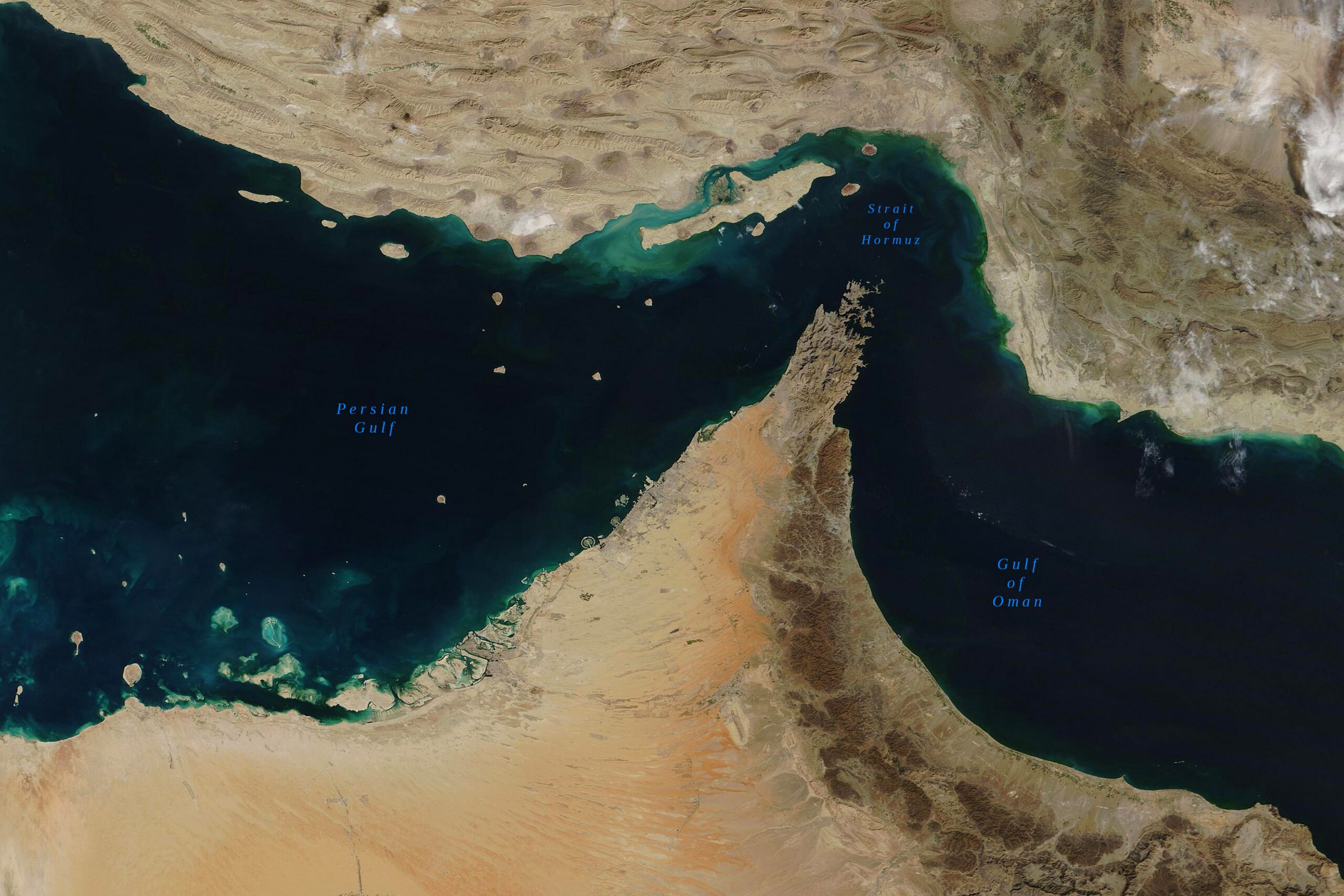
The Strait of Hormuz is currently witnessing a volatile rebound in maritime traffic following a brief, war-induced closure, with 73 vessels recorded transiting on a single Wednesday in late June 2026, the highest daily count since the conflict with Iran escalated in February [3]. This surge represents more than double the volume seen just two days prior, signalling a fragile but active recovery despite ongoing geopolitical friction [3]. The 82% crowd-implied probability for a high transit count on Polymarket aligns closely with Kalshi’s sportsbook-style lines, which also favour a robust weekly total, though analyst consensus remains cautious about the sustainability of these flows given the recent halt in outbound commercial movements reported as late as June 23 [1].
Traders must monitor the status of the interim deal between the US and Iran, which reportedly resumed tanker traffic in mid-June after text was released [4], and watch for any re-escalation of military tensions that could trigger another closure. The settlement depends entirely on IMF Portwatch’s finalized data, which only counts container, dry bulk, roll-on/roll-off, general cargo, and tanker ships, excluding any unreported vessels [Market Description]. Recent reports indicate traffic remains active but recovery stays cautious, with a critical evacuation plan currently on hold that could disrupt the flow if geopolitical conditions worsen [2]. The divergence between the high implied probability and the zero verified outbound movements from late June suggests the market is betting on a rapid return to pre-crisis norms rather than a prolonged bottleneck [1].
Methodology
We track How many ships transit the Strait of Hormuz week of July 6? across the five venues with material prediction-market liquidity. The probability shown is the live Polymarket mid; the comparison rows summarise how each venue treats the underlying contract — fees, KYC thresholds, settlement currency, deposit options. The highlighted row marks the cheapest route into Polymarket's order book.
Resolution & payout
Settlement runs on-chain. Polymarket's contract logic separates YES and NO shares as conditional tokens; at resolution the winning share lifts to $1.00 and the losing one to $0. The outcome input comes from the UMA Optimistic Oracle, which secures against bad resolution with a bond + dispute window.
Once finalised, the smart contract pays USDC to the holders' wallets within minutes — no withdrawal fees beyond Polygon network gas. Kalshi settles in USD via CFTC clearance, Betfair in account currency net of commission, Manifold in play-money mana with no cash-out.
FAQ
- Where can I trade this market with the lowest fees?
- Polymarket is geo-blocked in the US/UK/EU. The easiest 0%-fee broker into the same order book is PolyGram. Kalshi charges up to 7% per trade; Betfair Exchange takes 2-5% commission on net winnings.
- How does resolution work?
- Through the UMA Optimistic Oracle on Polygon: a proposer submits the outcome, a two-hour challenge window opens, and USDC payouts settle automatically once the result is final.
- What's the difference between YES and NO shares?
- A YES share pays $1.00 if the event happens, $0 otherwise. A NO share pays $1.00 if the event doesn't happen. The market price between 0¢ and 100¢ is the implied probability.
- What does Polymarket cost to trade?
- Polymarket itself charges 0% — the only cost is the Polygon network fee, typically under $0.01 per transaction. Off-chain venues like Kalshi or Betfair charge 2-7% commission.
- How reliable are the quoted odds?
- The YES/NO percentages are the live mid-prices of the Polymarket order book. On deep markets they move every few seconds; on thinner ones you'll see short plateaus.
%22%2F%3E%3Cpath%20d%3D%22M%206%2066%20A%2026%2026%200%200%201%2058%2066%22%20fill%3D%22%23E6B98D%22%20opacity%3D%220.9%22%2F%3E%3Ccircle%20cx%3D%2232%22%20cy%3D%2226%22%20r%3D%2222%22%20fill%3D%22%23F5CBA7%22%2F%3E%3Cpolygon%20points%3D%2216%2C18%2020%2C4%2024%2C18%22%20fill%3D%22%2322d3ee%22%2F%3E%3Cpolygon%20points%3D%2224%2C18%2028%2C3%2032%2C18%22%20fill%3D%22%2322d3ee%22%2F%3E%3Cpolygon%20points%3D%2232%2C18%2036%2C3%2040%2C18%22%20fill%3D%22%2322d3ee%22%2F%3E%3Cpolygon%20points%3D%2240%2C18%2044%2C4%2048%2C18%22%20fill%3D%22%2322d3ee%22%2F%3E%3C%2Fsvg%3E) and
and%22%2F%3E%3Cpath%20d%3D%22M%206%2066%20A%2026%2026%200%200%201%2058%2066%22%20fill%3D%22%23E6B98D%22%20opacity%3D%220.9%22%2F%3E%3Ccircle%20cx%3D%2232%22%20cy%3D%2226%22%20r%3D%2222%22%20fill%3D%22%23F5CBA7%22%2F%3E%3Cpath%20d%3D%22M%2010%2018%20Q%2016%204%2026%2010%20Q%2020%202%2032%206%20Q%2044%202%2038%2010%20Q%2048%204%2054%2018%22%20stroke%3D%22%2322d3ee%22%20stroke-width%3D%224%22%20fill%3D%22none%22%20stroke-linecap%3D%22round%22%2F%3E%3C%2Fsvg%3E)
Trade How many ships transit the Strait of Hormuz week of … on PolyGram
Live order book, 0% fees, USDC settlement in seconds.
Open live market →