Platform comparison
| Platform | YES odds | NO odds | Fee | KYC | Settlement | |
|---|---|---|---|---|---|---|
Polymarket (via PolyGram) Pick polygram.ink (preferred broker) |
4% | 96% | 0% (USDC on-chain) | No-KYC up to $1,500 | USDC, auto via UMA oracle | View on Polymarket → |
Polymarket (direct) polymarket.com |
4% | 96% | 0% | Geo-blocked in US/UK/EU | USDC, on-chain | View on Polymarket → |
Kalshi kalshi.com |
— | — | Up to 7% per trade | US-only, KYC required | USD | View on Polymarket → |
Betfair Exchange betfair.com |
— | — | 2-5% commission | Full KYC from first trade | GBP / EUR | View on Polymarket → |
Manifold Markets manifold.markets |
— | — | Play-money (mana) | None — play-money | Mana (no cash-out) | View on Polymarket → |
Outcome probabilities
Current market-implied probability for each outcome, from the live order book.
| Outcome | Probability |
|---|---|
| August 31 | 4% |
| July 31 | 2% |
Market context
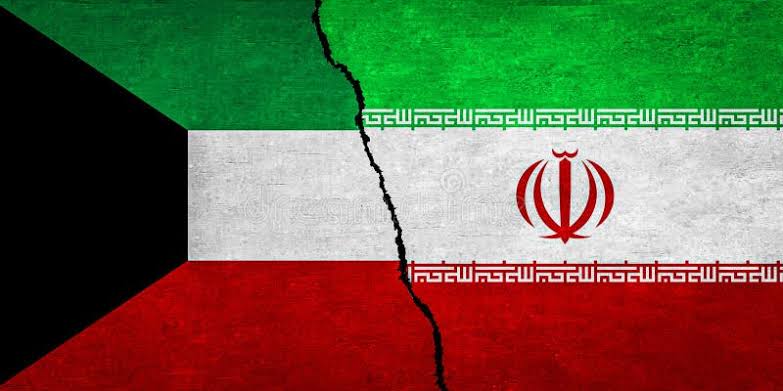
Iranian military forces entering Kuwait to establish territorial control remains a remote scenario, with the current crowd-implied probability at just 2% YES. This low figure reflects the immense logistical hurdles and geopolitical consequences of such an invasion, which would likely trigger immediate, overwhelming international retaliation. The settlement window closes in August 2026, leaving over a year for potential catalysts to emerge, yet the baseline assessment remains that Iran lacks both the strategic intent and the conventional capability to execute a sustained ground operation 1,200 kilometres from its border.
Historical precedents frame this probability sharply. The 1990 Gulf War saw Iraq, not Iran, invade Kuwait, a move that unified a global coalition and resulted in Iraq’s decisive defeat and eventual liberation of Kuwait by early 1991[1]. Iran’s own military doctrine has historically prioritised asymmetric warfare, proxy networks, and missile deterrence over large-scale conventional territorial conquests. No credible state actor has attempted a similar cross-regional invasion in the Middle East for over three decades, suggesting the 2% line aligns with established strategic realities rather than underestimating a plausible threat.
Traders should monitor Tehran’s official statements on regional security, any sudden shifts in Iranian troop deployments near the Persian Gulf, and diplomatic signals from Washington or Riyadh regarding force posture. A recent analysis of Iran’s Gulf strategy notes that its focus remains on maritime disruption and proxy influence rather than direct territorial expansion[1]. Until a clear announcement of a military operation establishing control over Kuwaiti territory emerges, the 2% implied probability appears consistent with analyst consensus and the absence of any credible sportsbook lines supporting such an event.
Sources: 1
Methodology
This page is a comparison snapshot: one live quote, four reference venues with their key attributes, and a single execution path — every trade button routes to PolyGram, which mirrors the Polymarket order book directly.
Resolution & payout
Polymarket-based markets settle through the UMA Optimistic Oracle on Polygon. A proposer submits the outcome, a two-hour challenge window opens, and unchallenged proposals finalise the resolution. Payouts settle automatically in USDC the moment the result is final — no bookmaker, no delay.
Kalshi-based markets settle in USD via the CFTC-regulated clearinghouse. Betfair Exchange settles in GBP/EUR net of commission. Manifold is play-money and does not pay out real funds.
FAQ
- Where can I trade this market with the lowest fees?
- Polymarket is geo-blocked in the US/UK/EU. The easiest 0%-fee broker into the same order book is PolyGram. Kalshi charges up to 7% per trade; Betfair Exchange takes 2-5% commission on net winnings.
- What's the difference between YES and NO shares?
- A YES share pays $1.00 if the event happens, $0 otherwise. A NO share pays $1.00 if the event doesn't happen. The market price between 0¢ and 100¢ is the implied probability.
- How fast are USDC deposits?
- Polygon credits deposits after 12 confirmations — usually under 30 seconds. Withdrawals follow the same path and land back in your wallet within minutes.
- Do I need to KYC for this market?
- On Polymarket directly, no — it's wallet-based. Intermediary brokers like PolyGram trigger KYC only above $1,500 of lifetime trading volume; under that you trade pseudonymously with a single wallet address.
- How reliable are the quoted odds?
- The YES/NO percentages are the live mid-prices of the Polymarket order book. On deep markets they move every few seconds; on thinner ones you'll see short plateaus.
%22%2F%3E%3Cpath%20d%3D%22M%206%2066%20A%2026%2026%200%200%201%2058%2066%22%20fill%3D%22%23E6B98D%22%20opacity%3D%220.9%22%2F%3E%3Ccircle%20cx%3D%2232%22%20cy%3D%2226%22%20r%3D%2222%22%20fill%3D%22%23F5CBA7%22%2F%3E%3Cpolygon%20points%3D%2216%2C18%2020%2C4%2024%2C18%22%20fill%3D%22%2322d3ee%22%2F%3E%3Cpolygon%20points%3D%2224%2C18%2028%2C3%2032%2C18%22%20fill%3D%22%2322d3ee%22%2F%3E%3Cpolygon%20points%3D%2232%2C18%2036%2C3%2040%2C18%22%20fill%3D%22%2322d3ee%22%2F%3E%3Cpolygon%20points%3D%2240%2C18%2044%2C4%2048%2C18%22%20fill%3D%22%2322d3ee%22%2F%3E%3C%2Fsvg%3E) and
and%22%2F%3E%3Cpath%20d%3D%22M%206%2066%20A%2026%2026%200%200%201%2058%2066%22%20fill%3D%22%23E6B98D%22%20opacity%3D%220.9%22%2F%3E%3Ccircle%20cx%3D%2232%22%20cy%3D%2226%22%20r%3D%2222%22%20fill%3D%22%23F5CBA7%22%2F%3E%3Cpath%20d%3D%22M%2010%2018%20Q%2016%204%2026%2010%20Q%2020%202%2032%206%20Q%2044%202%2038%2010%20Q%2048%204%2054%2018%22%20stroke%3D%22%2322d3ee%22%20stroke-width%3D%224%22%20fill%3D%22none%22%20stroke-linecap%3D%22round%22%2F%3E%3C%2Fsvg%3E)
Trade Iran invades Kuwait by 2026? on PolyGram
Live order book, 0% fees, USDC settlement in seconds.
Open live market →